
Tribal Welfare
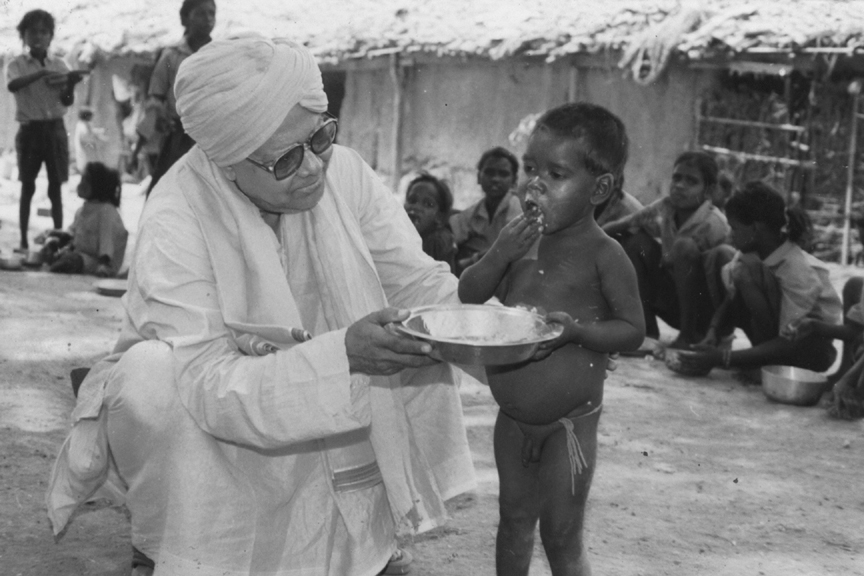
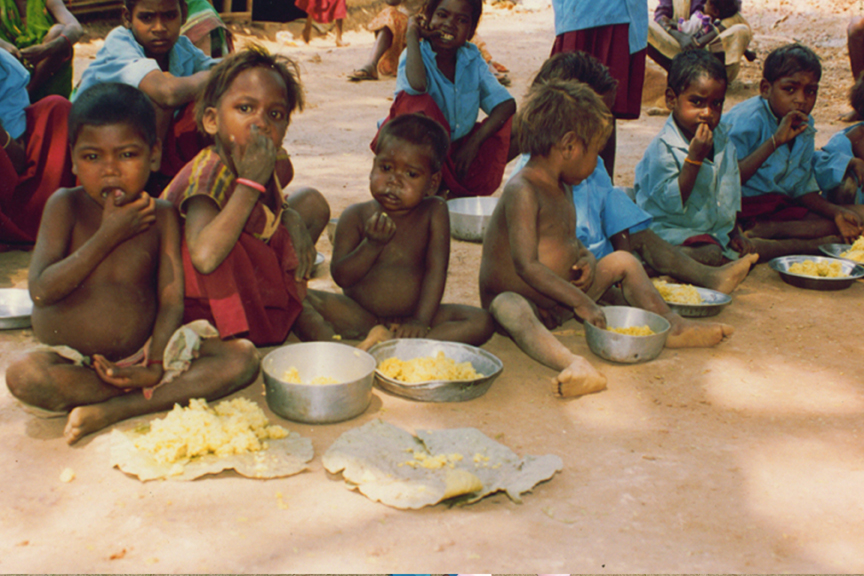
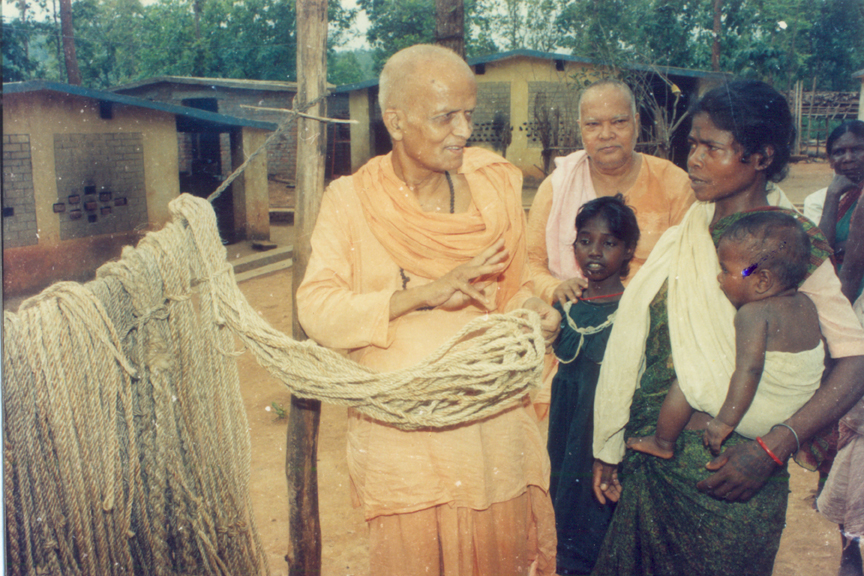
Our Tribal Welfare Program is an extensive initiative covering the areas of education, health and income generation for weaker communities. Our activities are aimed at enabling these communities to be self-sufficient with sustainable employment opportunities and assisting them to be mainstreamed into society. The Sangha operates Tribal Welfare projects in the states of West Bengal, Jharkhand, Orissa, and Gujarat.
Health
The Sangha operates a multi-specialty free hospital at its Ashram in Barajuri. It is the only medical facility within an area of 12000 sp. km. The hospital has cared for 548 patients and has recently introduced an ambulance service extending its geographical reach. The Ashram also runs a charitable dispensary. Four mobile medical units operating at 64 locations provide health care facilities to 200000 people under the Government of India’s Grant-in-Aid programme.
Awareness campaigns are organized to make tribals more conscious of health risks. Interactive aids such as audio-visual presentations are used to educate the tribals on issues of health and hygiene.
Elderly & Orphan Care Programs
An Old People’s Care Program provides complete care to 60 elderly people, 45 of whom are sponsored by Helpage India. These people by the Sangha, which provides free food rations, utensils, medicare, clothing and cost of house repairs.
Education
56 years of Independence has left unchanged the life of the tribals in Ghatshila, with the standard of education leaving a lot to be desired. Students from these regions are without hope of competing with their counterparts from more progressive areas of the country and disillusioned, the youth are easily lured to anti-social and anti-national activities to earn easy money.
The Sangha believes in the transforming capabilities of education imparted to minorities and backward classes in our diverse society. Education improves the sensibilities of the multitudes and is therefore an exercise that encompasses all sections of the enabled and participating members of society.
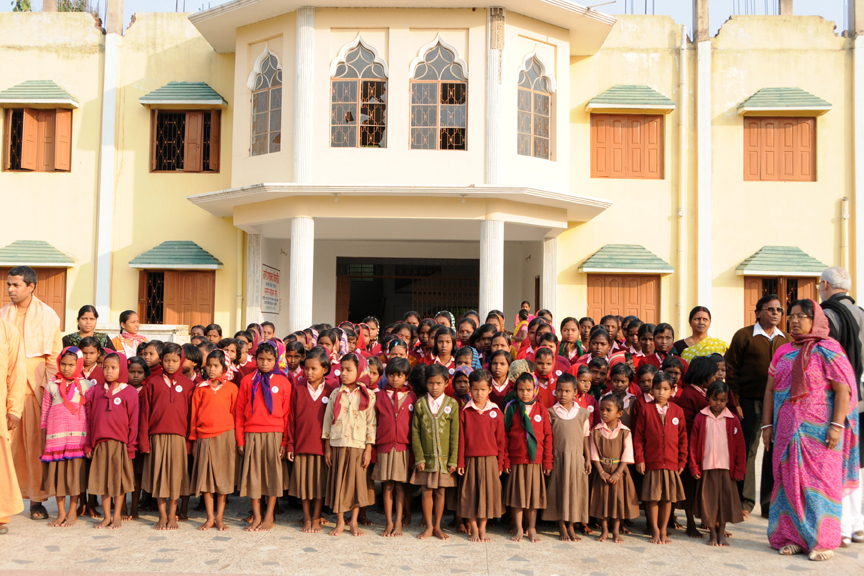
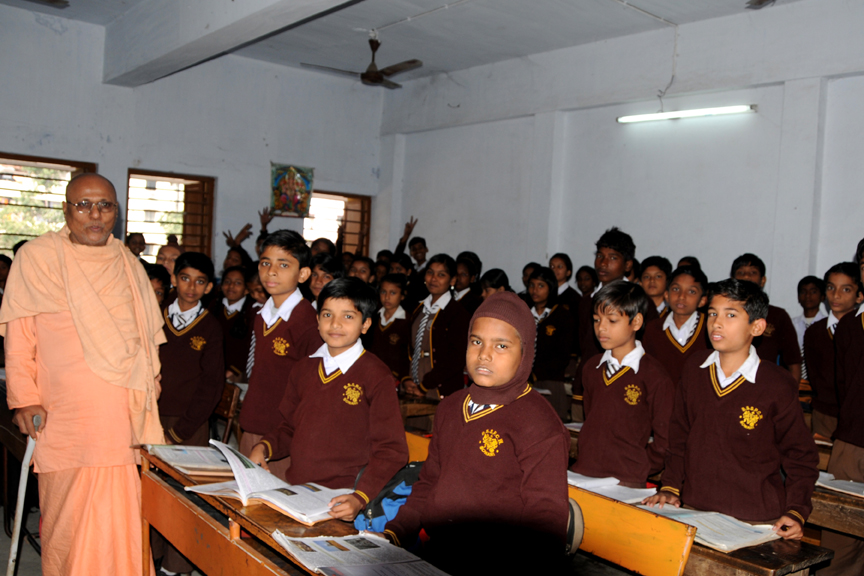
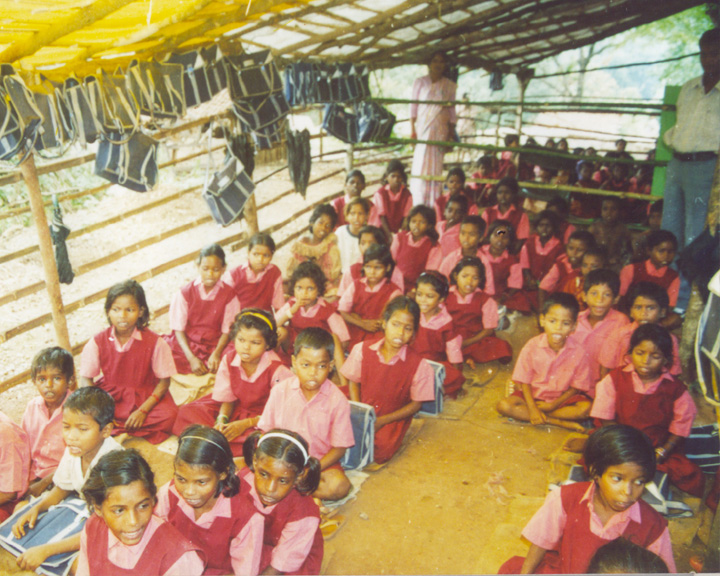
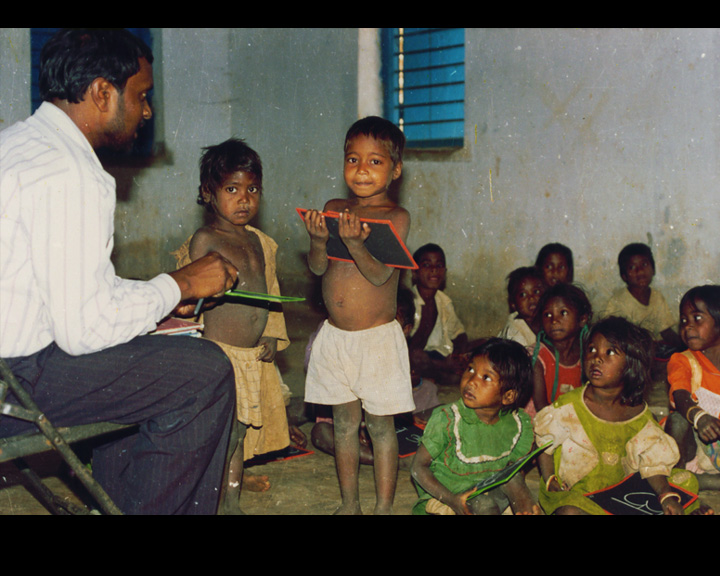
The Sangha, in an attempt to remedy this situation runs 17 free days school (one high school and 16 primary school), providing each of the 1557 pupils with mid-day means uniforms, shoes, books and stationery. Although the Government of India has chipped in with support of 750 wards, many students have been denied due to financial constraints.
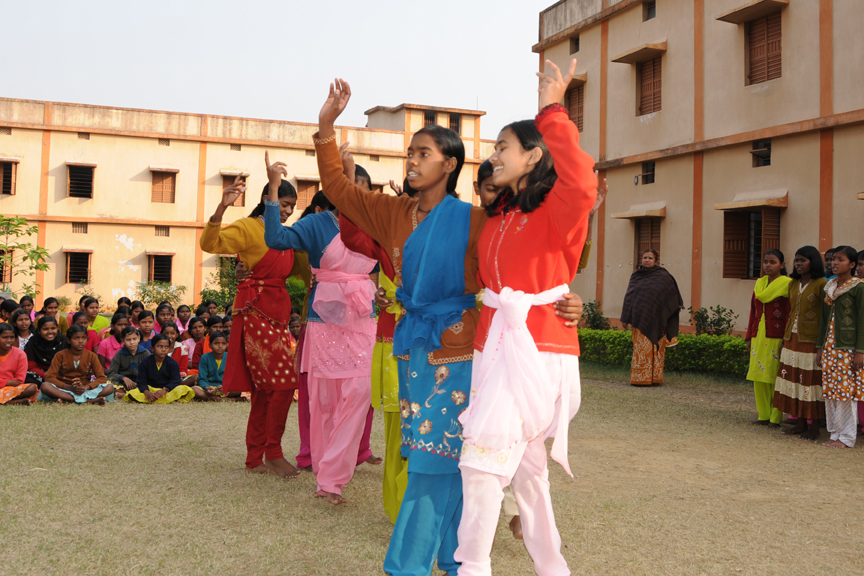
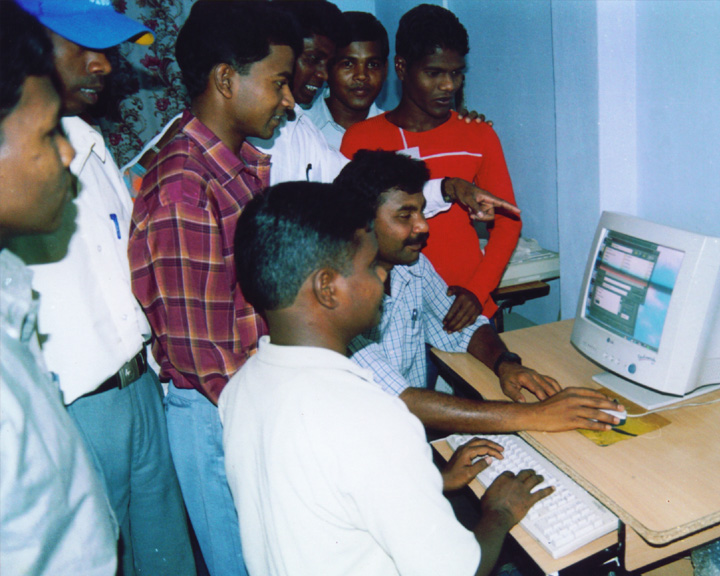
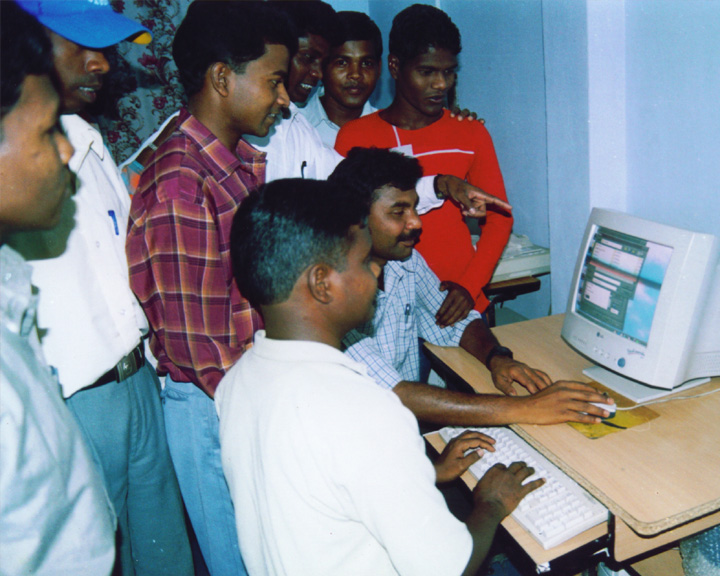
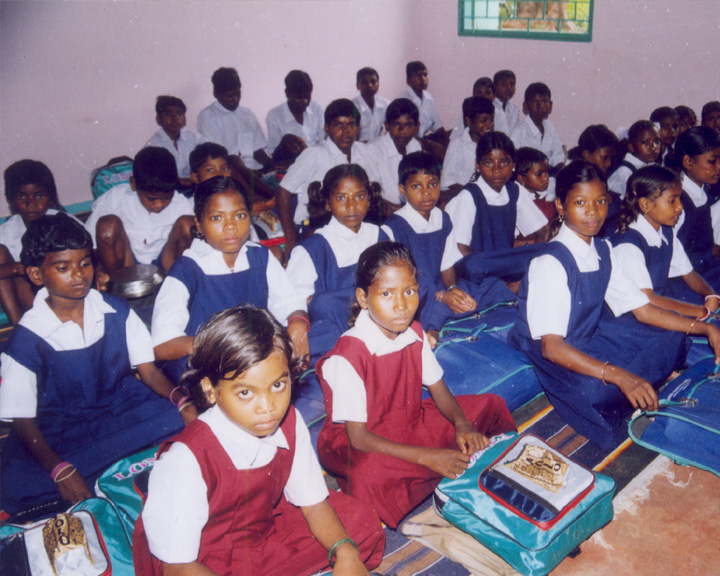
The Sangha also runs residential schools for boys and girls separately with the Indian Government bearing the expenses in both, with much emphasis laid on character building and extra-curricular activities. Computer education programs have also been initiated for tribal students. The Sangha also has support systems that assist these students in continuing education through its centres throughout the country.
Income Generation
Our income generation programs reflect our belief that social equity is impossible without economic empowerment. The two have to go hand in hand and complement each other. The Sangha is active in providing vocational training and skill upgradation leading to sustainable employment opportunities.
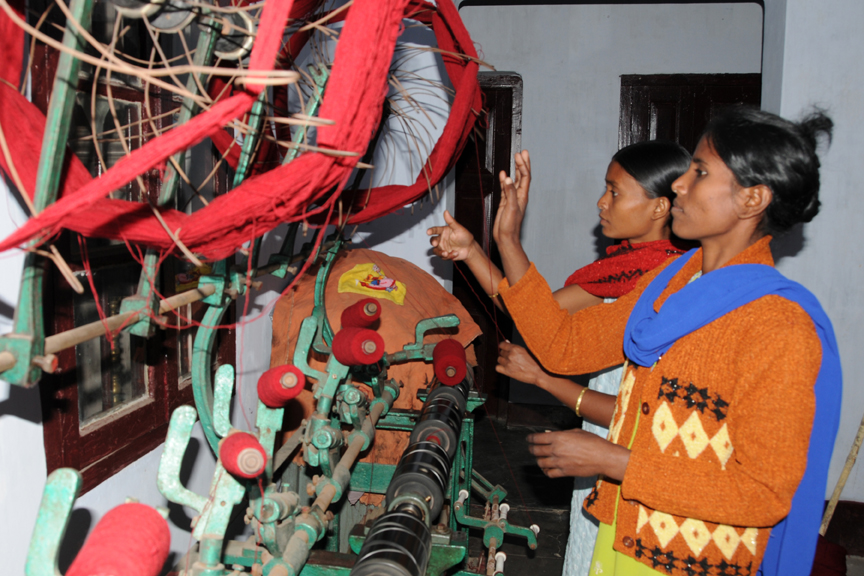
The economy of Ghatshila and adjoining areas have suffered due to the closure of several industries leaving a large majority unemployed. To counter this shortfall, we began programs imparting vocational training. The Sangha runs 2 handlooms weaving centres, a soft luggage centre, a carpentry workshop and a handicraft training and production unit empowering 238 tribals.
Tribals youth are also sent to our Delhi Ashram for computer education, which has helped 300 tribals to gain direct employment in different welfare projects. Agro faming has also been assisting tribals farm a variety of vegetables and fruits using modern tools and technology. The Sangha has setup a Agro Horticulture Project or a model demonstration farm which imparts training to local farmers to help them derive maximum yield from their meager resources.
The Sangha also imparts vocational training through weaving and knitting centres, cane and bamboo centres as well as jute and handicraft centres.
Home Construction
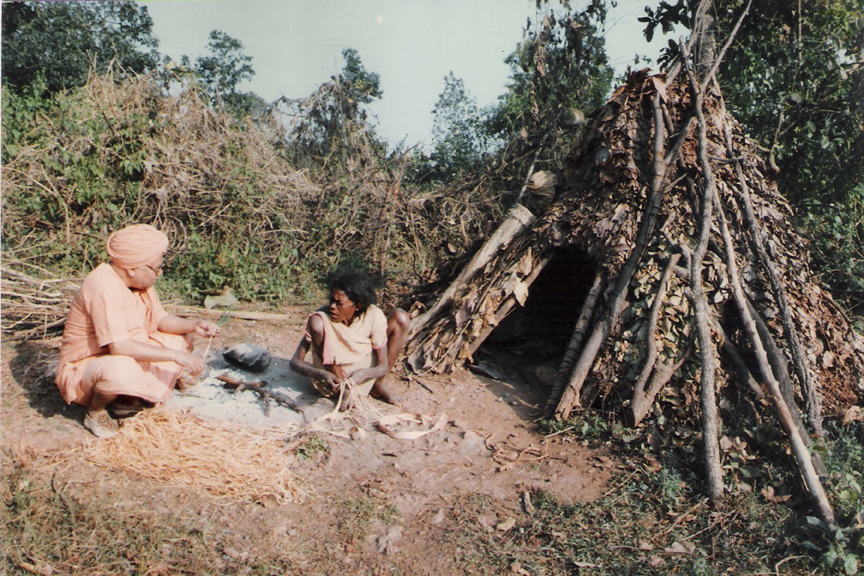
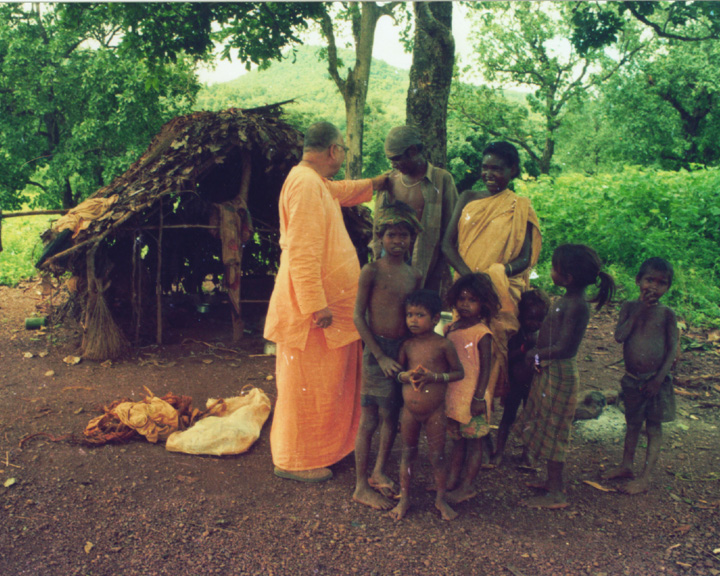
Extreme poverty force many tribals to live in appalling conditions in structures made of leaves and mud. These houses would often collapse during monsoons and had proved to be breeding grounds for diseases and unhygienic conditions.
The Sangha initiated a home construction project that provided families with a solid cement structure that consisted of one room, a porch and basic amenities.
Tribal Welfare Program in 2017-2018
Sonari, Jamshedpur
4 High Schools (Beng., Eng. & Hindi Medium) are imparting education to above 5025 students including a hostel having 525 students. 3 middle schools (having 640 students) are getting education in Leprosy Colony constructed by the Sangha. 5 Leprosy Hospitals, 50 outdoor clinics (weekly basis), 5 Ambulances with doctors and specialist doctors are providing treatment in slums and villages. Computer training centre – 150 students attended.
Sundarnagar & Sundargar
SUNDARNAGAR: Primary School – 165 students. Computer & Tailoring Training Centre – 60 students.
SUNDARGAR: Free Residential Middle School for girls – 185 PTG students are getting education.
Dabanki & Sabarnagar
DABANKI: Free Residential Middle School – 225 PTG students are getting education. Leprosy Hospital – 25 beds.
SABARNAGAR: Non-residential Middle School – 115 PTG students are getting education.
Burmamines (Jamshedpur)
• 50 bedded leprosy hospital
• Home for 60 Leprosy patients
• Rehabilitation for cured Leprosy patients
• Housing scheme for Leprosy patients
• Primary school for Leprosy patients' children – 50 students.
• Dressing centre & OPE for Leprosy patients.
Parsudih & Leprosy Clinics
PARSUDIH: Jamshedpur Knitting & Tailoring Training Centre - 30 tribal and primitive women. Mobile Medical Clinic. Homeo charitable dispensary – 2256 patients benefitted.
LEPROSY CLINICS: Total 92 nos. of Leprosy Clinics organized in Jamshedpur Urban and Potka, Ranjagar and Musabani Block areas.
Sabarnagar (Potka Block)
• Agricultural project for 125 Sabar families
• Mobile Medical clinic - 5359 patients p.a.
• Upliftment of Sabar families by dry farming.
• Vocational Training Centre-weaving training for 30 trainees
• Hostel building for tribal girl students
• Girls' school (Primary) - 125 Sabar girls
West Singhbhum, Jharkhand
The students from Birhore, Sabar PTGs are getting education through our Middle Schools at Lohrai (200 students), Kundruguttu (250 students), Tatiba (210 students), Rangalberia (125 students). The Sangha is also providing vocational training on handicrafts, rope making, dhoti, saree & towel making through handlooms. Mobile medical units provide healthcare services.
Samanpur (Nimdih Block)
• Residential school for tribal students - 115 students
• Mobile Medical Clinic - 3773 patients benefitted.
• Weaving Training Centre – 30 women attended.
Ranchi (Jharkhand)
[1] Tupudana Campus: Vocational Training Centre (35 trainees). Hostel for 15 ST boys.
[2] Jora Talab Road Campus: Hostel for High School students (ST) – 30 students.
[3] Bundu Campus: Residential School for Tribal Boys (110 students). Mobile Dispensary for 6152 ST patients.
Deoghar (Jharkhand)
Mobile Dispensary under the aegis of Ministry of Tribal Affairs. Started in the year 2002 - 5532 patients benefitted.
Pathra, P.O. Raneswar, Dumka
(a) Residential School for Tribal Boys: 283 students. Ministry supports 150 ST Boys.
(b) 20 Bedded Hospital: Free treatment for 3600 patients.
(c) Mobile Dispensary: Moves to forest and hilly areas. Over 8,000 patients.
(d) Residential School for Tribal Girls: At Baramasia Village. 141 ST girls studying.
Chakradharpur
65 persons were benefitted by free eye operation. A Cancer Detection camp was organized – 30 patients were detected Cancer. Pranavananda Seva Sadan: A 20-bedded hospital equipped with General OPD, Dental, Eye, Medicine, Gynae. etc. is providing healthcare service – approx. 40,254 patients benefitted. Every Sunday eye clinic is organized.
Kurumkel, Sundargarh, Odisha
A Residential Middle School for 185 PTG students. A vocational training centre is functioning here. A 20-bedded hospital and outdoor clinics are in operation and providing healthcare service among Birhore and other tribals. 2 Mobile Medical Dispensaries, Knitting, Weaving & Handloom Training centre are functioning.
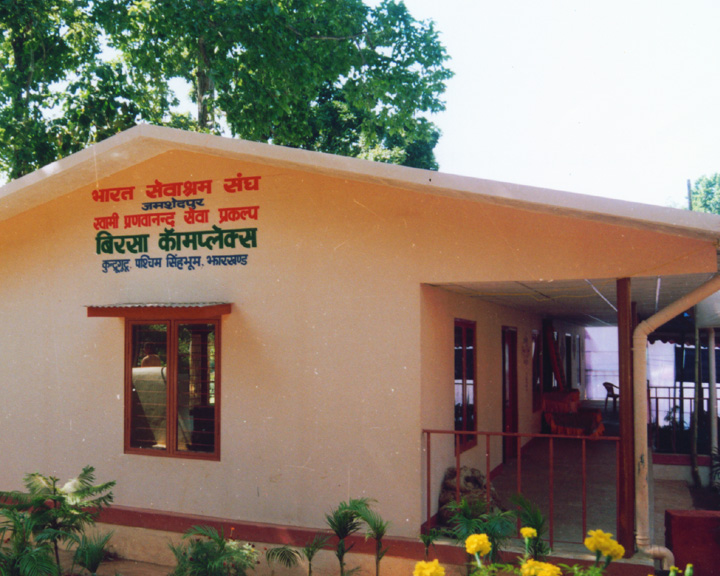
Barajuri (Ghatsila), Jharkhand
(i) Residential School for Primitive Tribal Girls – 160 students
(ii) Residential School for Tribal Boys (Primary) – 80 students
(iii) Non-residential High School (Co-Ed.) – 160 tribal & general boys/girls
(iv) Mobile Medical Dispensary for ST patients
(v) Eye Hospital – Indoor & Outdoor at Harindukri
(vi) Kindergarten School (English Medium)
(vii) Knitting, Weaving & Tailoring training centre for PVTG
(viii) Rope making training centre for PVTG
(ix) Handloom training centre for PVTG
(x) Handicraft training centre for PVTG
Pakur, Jharkhand
(i) Residential School for Tribal boys
(ii) Residential School for PVTG boys
(iii) 10 Bedded Hospital for PVTG patients
(iv) Computer training centre for ST youths
[All are under the aegis of Ministry of Tribal Affairs]
Gallery
Our Tribal Welfare Program is an extensive initiative covering the areas of education, health and income generation for weaker communities. Our activities are aimed at enabling these communities to be self-sufficient with sustainable employment opportunities and assisting them to be mainstreamed into society.